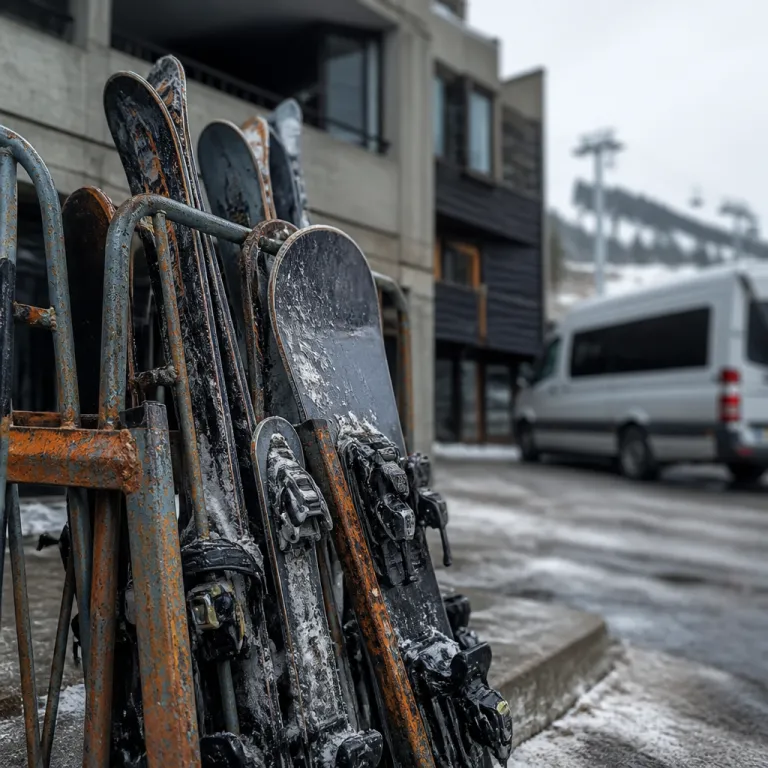
Staying in the heart of Aspen Colorado ski resorts
Choosing where to sleep shapes your entire ski experience in Aspen Colorado. Around the compact downtown core of Aspen, you will find slopeside lodges, classic inns, and luxury hotels located within a few hundred metres of the lifts. Many of the finest accommodations are positioned so you can walk from your room to the Silver Queen Gondola in less than five minutes, or about 300 to 500 metres (0.2 to 0.3 miles) in ski boots.
The four mountains managed by Aspen Skiing Company — Aspen Mountain, Aspen Highlands, Buttermilk, and Snowmass — create one of the most complete ski areas in the United States. Recent figures from Aspen Snowmass list about 5,600 acres of total skiable terrain and 40 lifts, which means that Aspen Colorado ski resorts can spread skiers across several distinct ski areas and keep queues surprisingly short. According to long term resort statistics, the four mountains also receive roughly 300 inches (about 7.6 metres) of annual snowfall, so when you plan a trip, remember that the best location for you depends on whether you prioritise nightlife in downtown Aspen, family friendly slopes at Snowmass, or the expert steeps of Aspen Highlands.
Hotels in the heart of the Aspen district around the Silver Queen Gondola on Aspen Mountain are ideal if you want to step straight into skiing and snowboarding each morning. This central location also places you close to live music venues, refined dining, and the historic brick buildings that define Aspen town. Many travellers focus their reviews on how easy it is to move between the Aspen resort network by free shuttle, which links all four ski mountains in Pitkin County within roughly 8 to 24 kilometres (5 to 15 miles), with typical winter transfer times of 10 to 30 minutes depending on traffic and snow.
Understanding Aspen’s four mountains and their lodging areas
Each of the four mountains in Aspen Snowmass has its own character, and the surrounding lodging areas mirror that personality. Aspen Mountain rises directly above downtown Aspen, with hotels and lodges located right at the base, while Aspen Highlands feels more secluded and residential, with fewer but very upscale options. Snowmass, several miles down the Roaring Fork Valley, functions almost like its own resort town, with ski in ski out accommodations spread across a broad mountainside and a compact pedestrian village.
Official guidance from Aspen Skiing Company answers a key question clearly: “What are the four mountains in Aspen?” and the response is precise: “Aspen Mountain, Aspen Highlands, Buttermilk, Snowmass.” For strong intermediates and experts, staying near Aspen Mountain or Aspen Highlands keeps you close to steep Aspen terrain and challenging bowls, while Buttermilk is better if your trip plan centres on beginners or park focused teenagers. Families often prefer the Snowmass ski resort because the village offers extensive childcare, wide gentle pistes, and one of the region’s most impressive terrain park complexes, all within a short walk of most condos and hotels.
When you compare Aspen Colorado ski resorts, pay attention to how each location shapes your daily rhythm on snow and off. Lodging in downtown Aspen gives immediate access to Aspen Mountain and quick bus rides to the other ski resorts, plus a short walk to live music and late night dining. Staying in Snowmass or near Aspen Highlands places you closer to the slopes and quieter evenings, but you will travel several miles if you want the full nightlife of Aspen town, so factor in shuttle frequency and your preferred après ski style.
Where to stay around Aspen Mountain and downtown Aspen
For travellers who want to be in the centre of everything, the hotels around the base of Aspen Mountain are the prime options. This compact area in the core of downtown Aspen is located at roughly 2,400 metres (about 7,900 feet), so you wake up already acclimatised and ready to ski without a long commute. Many properties here offer ski concierges, heated outdoor pools, and rooms with direct views of the Aspen Mountain slopes above town, and typical walking times to the Silver Queen Gondola range from two to seven minutes.
Staying in this district means that most of your favourite restaurants, galleries, and après ski bars are only a few hundred metres away in the walkable grid of downtown streets. You can finish a day of skiing and snowboarding on Aspen Mountain, drop your equipment with the hotel team, and be seated for dinner in downtown Aspen within minutes. Night owls appreciate that several venues host live music throughout winter and summer, turning the heart of the Aspen neighbourhood into a lively cultural hub long after the lifts close, while early risers can still find quieter boutique properties on side streets.
Guest reviews often highlight how easy it is to move from these central accommodations to the other ski areas using the free Roaring Fork Transportation Authority buses. From the main transit centre in Aspen town, you can reach Aspen Highlands in about 10 minutes, Buttermilk in a similar time, and Snowmass in roughly 25 minutes, depending on traffic and snow conditions. If your trip plan includes both intense ski days and relaxed non ski activities, this downtown location balances access to all four Aspen resorts with the amenities of a sophisticated small town in the United States, making it a practical base for short three to five day stays.
Staying slopeside at Snowmass and Aspen Highlands
Snowmass Village appeals to guests who want a true ski in ski out environment with a wide choice of accommodations. Many hotels and residences are located directly on the pistes, so you can clip into your skis a few metres from the lobby and glide down to several lifts. This layout makes Snowmass one of the most convenient Aspen Colorado ski resorts for families and mixed ability groups, because beginners, intermediates, and experts can all start and finish the day at the same central plaza.
The Snowmass ski resort offers more vertical drop and more total terrain than any of the other local mountains, including extensive beginner areas, long intermediate cruisers, and challenging steeps. Its terrain park network is particularly strong, which attracts freestyle skiers and snowboarders who want to spend full days lapping jumps and rails without leaving the mountain. In summer, the same slopes transform into hiking and biking routes, so staying here outside the ski season still provides Aspen Mountain views and easy access to outdoor activities such as lift served downhill biking and family friendly alpine coasters.
Aspen Highlands, by contrast, feels more intimate and is best suited to confident skiers who prioritise steep terrain and the legendary Highland Bowl. Lodging options are fewer but very high end, with properties located a short walk from the lifts and set against dramatic views of the surrounding peaks in Pitkin County. If your trip plan revolves around challenging ski areas and quieter evenings rather than nightlife, staying near Aspen Highlands or in the adjacent residential zones along the Roaring Fork Valley can be an inspired choice, especially for longer trips where you plan several full days on expert terrain.
Seasonal considerations, from deep winter to vibrant summer
While most travellers focus on winter, the timing of your stay in Aspen Colorado has a major impact on both price and atmosphere. Peak ski season typically runs from December through February, when snowfall is most reliable and the Aspen town calendar is packed with events, races, and live music. Shoulder periods at the start and end of the season can offer better value, though some terrain park features or outer areas may open later depending on snow, and spring afternoons can bring softer conditions on lower slopes.
During the warmer months, Aspen Colorado ski resorts shift into summer mode, and many hotels adjust their rates and packages. Lifts on Aspen Mountain and Snowmass often operate for sightseeing, hiking, and mountain biking, giving guests access to high altitude trails and sweeping views of the Maroon Bells and the wider Roaring Fork Valley. If you plan a trip for summer, look for accommodations that highlight outdoor pools, shaded terraces, bike storage, and proximity to river activities rather than just ski in ski out convenience.
Whenever you visit, remember that Aspen sits at significant altitude, so staying hydrated and taking it easy on your first day can make skiing and snowboarding more enjoyable. Many hotels in the Aspen resorts network now emphasise wellness facilities, oxygen services, and nutritious dining options tailored to active guests. Reading recent reviews will help you learn which properties have updated their amenities and which location best matches your priorities, whether that is quick access to ski resorts, cultural events in downtown Aspen, or quiet evenings under clear mountain skies.
How to read reviews and match a resort to your style
Online reviews can be invaluable when you compare accommodations across the different Aspen Colorado ski resorts, but they require careful reading. Focus on comments about noise levels, shuttle reliability, and actual walking distances to lifts, rather than only star ratings or photos. Pay attention to whether guests visited in peak winter, spring skiing, or summer, because expectations and experiences change with the season and can explain why opinions differ.
When you evaluate resorts Aspen wide, separate feedback by mountain and by location within each town or village. A property located in the core of downtown Aspen will naturally receive different comments about nightlife and traffic than a slopeside lodge in Snowmass or a quiet residence near Aspen Highlands. Look for patterns in reviews about staff attitude, room maintenance, and how well the hotel team handles busy weekends or sudden snowstorms, as these details often matter more than a single negative remark or an isolated glowing comment.
It also helps to match your own priorities to the strengths of each ski resort and its surrounding neighbourhood. If you value culture, dining, and live music, staying in the heart of the Aspen district near Aspen Mountain makes sense, while families who want easy ski school access may prefer Snowmass or Buttermilk. Guests who come mainly for challenging ski areas and dramatic views of the Maroon Bells might choose a base in Pitkin County closer to Aspen Highlands, even if that means travelling several miles to reach downtown attractions in the United States, so sketching a simple day by day plan before you book can clarify which base fits best.
Key figures that define Aspen’s ski experience
- Total skiable area across Aspen Snowmass is about 5,600 acres, according to Aspen Skiing Company, which places the combined ski resorts among the largest in North America for a single destination.
- Average annual snowfall is roughly 300 inches (around 7.6 metres) on the four mountains, based on long term resort statistics, giving Aspen Colorado reliable conditions for skiing and snowboarding through most of the winter season.
- There are 40 lifts spread across the four ski areas, a density that helps distribute guests efficiently and reduces waiting times during peak periods, especially on weekends and holidays.
- The distance between downtown Aspen and Snowmass Village is roughly 14 kilometres (about 8.5 miles), a short ride that still creates distinct atmospheres and lodging markets in each location.
FAQ about staying near Aspen Colorado ski resorts
What are the four main ski mountains near Aspen?
The four primary ski areas collectively known as Aspen Snowmass are Aspen Mountain, Aspen Highlands, Buttermilk, and Snowmass, all located within Pitkin County in the United States. Each mountain offers different terrain and lodging styles, from steep expert runs to gentle beginner slopes. Free shuttles connect these ski resorts, so you can stay in one location and still sample all four during a single holiday.
When is the best time to ski in Aspen for most visitors?
The prime period for reliable snow and full terrain openings usually runs from December through February. During these months, temperatures stay cold enough to preserve natural snowfall and support snowmaking across the ski areas. If you prefer quieter slopes and lower room rates, late January or early spring can be attractive options, especially for flexible travellers who can avoid major holiday weeks.
Are there beginner friendly slopes near Aspen hotels?
Yes, Buttermilk and Snowmass both provide extensive beginner zones that are ideal for first time skiers and children. Many hotels in these areas offer easy access to ski schools, rental shops, and gentle learning terrain close to the base lifts. When you plan a trip, check that your chosen property is within a short walk or shuttle ride of the specific beginner area you intend to use, and confirm typical lesson start times so mornings feel relaxed rather than rushed.
How far are the ski resorts from downtown Aspen?
Aspen Mountain rises directly above downtown Aspen, so several hotels are effectively at the base of the lifts. Aspen Highlands and Buttermilk are roughly 5 to 8 kilometres (3 to 5 miles) away along the Roaring Fork Valley, while Snowmass sits about 14 kilometres (8.5 miles) from Aspen town. Regular buses make these distances easy to manage, even if you do not rent a car, and winter timetables usually offer departures every 10 to 20 minutes on the busiest routes.
Is Aspen worth visiting outside the winter ski season?
Summer in Aspen Colorado brings a different but equally appealing atmosphere, with hiking, cycling, and cultural festivals replacing skiing and snowboarding. Lifts on Aspen Mountain and Snowmass often operate for sightseeing, giving access to panoramic views of the Maroon Bells and surrounding peaks. Many hotels adjust their offers for this season, promoting outdoor pools, terraces, and proximity to river activities along the Roaring Fork, so you can base yourself near the same mountains but focus on trails instead of pistes.
Trusted sources
- Aspen Skiing Company
- Aspen Chamber Resort Association
- Colorado Tourism Office