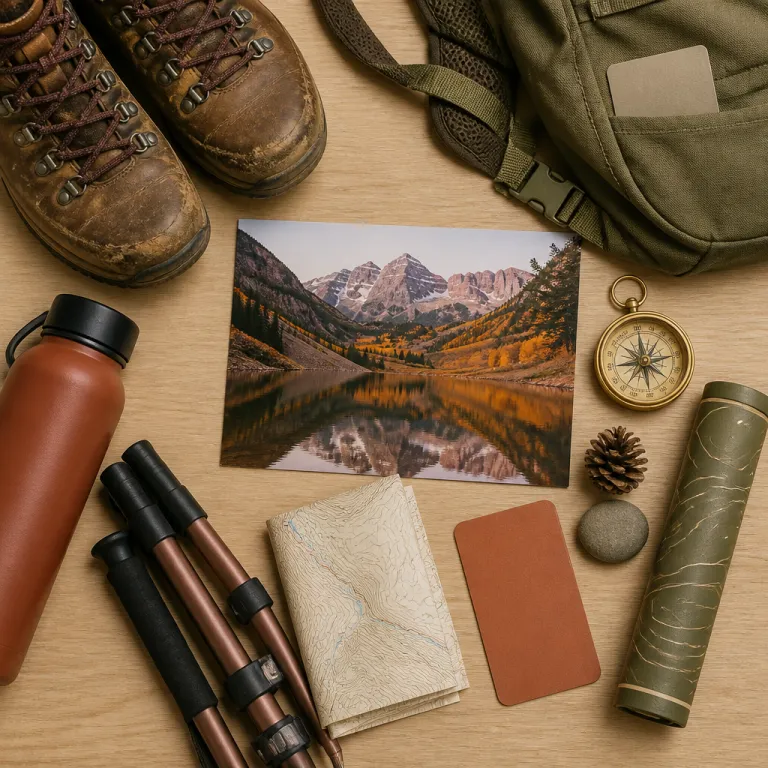
Choosing the right Aspen stay for Maroon Bells and scenic drives
Choosing a hotel in Aspen shapes how easily you reach the Maroon Bells and the most photogenic viewpoints around the twin peaks. When your stay is focused on early trail starts and practical hiking advice, prioritise properties with flexible breakfast options and reliable transport links to the Aspen Highlands shuttle base. Many refined hotels along or near Maroon Creek Road can arrange a shuttle, taxi, or bike transfer so you reach the trailhead before the main crowds.
Ask your chosen Aspen hotel how they support a day trip to the Maroon Bells Scenic Area and whether they help with shuttle reservations or parking reservations. Some concierges will walk you through the Recreation.gov system so you secure reservations required for either the shuttle or a private vehicle pass on Maroon Creek Road. If you plan a longer stay, choose a location that also makes it easy to drive the scenic corridor toward Independence Pass or the Snowmass Wilderness trailheads.
Guests who want to combine lake trail walks with scenic drives should look for rooms facing west toward the Maroon Bells ridgeline or south toward the Snowmass Valley. A central Aspen address near the bus hubs shortens the early morning transfer to Aspen Highlands, where the official Maroon Bells shuttle typically runs from late May through early October, with first departures often around 8:00 a.m. and last returns in the early evening (exact times vary by year; confirm before travel). If you prefer to bike, confirm that your hotel offers secure storage and that staff understand the miles round trip involved when cycling up Maroon Creek Road before hiking any trails.
Timing your trip and using Aspen Maroon Bells hiking tips for each season
Seasonal timing is everything when you plan a trip around Aspen Maroon Bells hiking tips and scenic drives. In summer the Maroon Bells Scenic Area operates with strict shuttle reservations and parking reservations, while in shoulder seasons access can shift quickly with fresh snow on every higher trail. For guests booking a stay mainly for foliage and photography, pairing your hotel dates with expert guidance such as this resource on Aspen fall foliage peak dates and hotel timing helps you match colours, crowds, and room rates.
During peak summer the natural amphitheatre around Maroon Lake fills early, so choose a hotel that can provide breakfast to go and clear directions to Aspen Highlands. From Aspen Highlands the official shuttle covers the final miles along Maroon Creek Road into the Maroon Bells–Snowmass Wilderness, and this system protects both the fragile alpine ecosystem and your chances of finding space at the lake. When reservations required notices appear on Recreation.gov, act quickly because popular dates for the Maroon Bells and nearby Snowmass Wilderness trails can sell out 4 to 8 weeks ahead, especially for weekends and peak foliage.
Autumn brings cooler air and thinner crowds, yet the lake trail and the route toward Crater Lake still demand good footwear and layers. Your Aspen concierge can advise whether the round trip to Crater Lake is realistic for your fitness level, since the rocky section adds effort beyond the flat stroll around Maroon Lake. In late season some Silver Bar and Silver Bell campground sites may close early or switch to first-come, first-served, so confirm availability and any seasonal changes with the White River National Forest or Recreation.gov before you plan a trip that relies on those campgrounds instead of a hotel stay.
Access logistics from your Aspen hotel to Maroon Bells and beyond
Access to the Maroon Bells from Aspen is tightly managed, and understanding the system before you book your stay is one of the most valuable Aspen Maroon Bells hiking tips. Most visitors ride the Maroon Bells shuttle from Aspen Highlands, which sits a short drive or bus ride from central Aspen hotels. If you prefer a more private arrival, some higher end properties can coordinate transfers that dovetail with the official shuttle reservations or with a timed vehicle pass.
When you travel from Denver to Aspen, consider how your arrival time aligns with the first shuttle to the Maroon Bells Scenic Area. Elegant transfer options such as those outlined in this guide to seamless travel from Denver to Aspen hotels can reduce stress and leave you rested for an early hike. Once in town, ask your hotel to print your Recreation.gov confirmations so you have both your shuttle reservations and any parking reservations ready before you reach Aspen Highlands.
Private vehicle access along Maroon Creek Road is limited to specific hours and dates, and a vehicle pass is issued only through the official system described by the U.S. Forest Service and Recreation.gov. If you secure a pass, your hotel can help you plan a round trip that combines a dawn visit to Maroon Lake with a midday scenic drive over Independence Pass or toward the Snowmass Wilderness area. Guests who arrive without reservations required for that day should still speak with front desk staff, because they may suggest alternative trails near Snowmass or other scenic drives that match the same dramatic mountain scenery.
Essential Aspen Maroon Bells hiking tips for hotel guests
Once your Aspen stay is confirmed, focus on practical Aspen Maroon Bells hiking tips that match your fitness and interests. The classic route begins at the Maroon Lake trailhead, where a gentle lake trail offers level walking and constant views of the Maroon Bells and their reflection in the water. Many hotel guests choose this option as a warm up before tackling longer trails deeper into the wilderness area.
For a more demanding outing, continue from Maroon Lake toward Crater Lake on a rocky path that gains steady elevation over roughly 1.9 miles (about 3 kilometres) one way. This hike covers around 3.8 miles (6 kilometres) round trip with close to 300 metres (about 1,000 feet) of elevation gain, so ask your concierge to help you estimate timing based on your pace and shuttle schedule. Because the Crater Lake basin sits within the Maroon Bells–Snowmass Wilderness, you must respect all regulations, including staying on marked trails, packing out waste, and yielding to horses when they appear.
Start early to avoid afternoon storms and to enjoy softer light on the maroon faces that rise above the valley. Many hotels will arrange an early wake up call and a packed breakfast so you can board the first shuttle from Aspen Highlands and reach the trailhead before the main wave of visitors. If you plan a second trip during your stay, consider exploring different trails in the broader Snowmass Wilderness area, where quieter paths and longer miles reward guests who already know the basics of the Maroon Bells Scenic Area.
Combining Maroon Bells with Snowmass Wilderness and scenic drives
Travellers who love both hiking and driving will find that the Maroon Bells and Snowmass Wilderness area pair beautifully with Aspen’s classic road itineraries. After a morning on the Maroon Lake trail, many guests return to their hotel for lunch before setting out by car toward Independence Pass or the scenic overlooks along Highway 82. This rhythm allows you to enjoy several trails without rushing, while still experiencing the drama of high mountain passes within a single stay.
From Aspen you can plan a trip that links the Maroon Bells Scenic Area, the Snowmass Wilderness, and nearby day trip getaways such as the ghost town of Ashcroft. Your concierge can suggest how many miles round trip each drive involves and whether you should prioritise a particular pass based on weather and daylight. When snow lingers at higher elevations, staff may recommend focusing on lower trailheads near Snowmass or on lakeside walks around Maroon Lake instead of pushing deeper into the wilderness area.
Guests who enjoy cycling can also combine a bike outing with scenic drives, using hotel transport to stage different segments. Some confident riders pedal up Maroon Creek Road in the early morning, lock their bike near the trailhead with permission, then hike to Crater Lake before coasting back to Aspen. If that feels ambitious, ask your hotel to arrange a vehicle shuttle so you can still experience the Maroon Bells–Snowmass skyline and the curves of the pass without committing to so many human powered miles.
Campgrounds, regulations, and how hotels complement wilderness stays
Even if you prefer a comfortable hotel bed, understanding local campgrounds and regulations will sharpen your Aspen Maroon Bells hiking tips. The three main campgrounds along Maroon Creek Road, including Silver Bar, Silver Bell, and Silver Queen, sit close to the Maroon Bells Scenic Area and often require advance reservations. Many hotel guests choose to stay in Aspen yet still walk through these campground areas to see how overnight visitors experience the valley after dark.
Because these campgrounds lie within or adjacent to the Maroon Bells–Snowmass Wilderness, strict rules protect the environment from overuse. Open fires may be limited, food storage is regulated, and some lake trail sections near Maroon Lake and Crater Lake prohibit camping altogether to preserve fragile shorelines. Your hotel concierge can help you interpret these regulations and may even print the latest notices from Recreation.gov or the U.S. Forest Service so you avoid surprises when you reach the trailhead.
For travellers who want a taste of wilderness without committing to a full camping trip, a hybrid approach works well. Spend most nights in Aspen, then plan a trip that includes one permitted night at a designated Silver Bell or Silver Bar campsite, returning to your hotel for a final restorative stay. This strategy lets you enjoy both the comforts of town and the quiet of the wilderness area, while still respecting the miles round trip and logistical demands of carrying gear along steep trails.
Après hike pleasures and choosing the right Aspen neighbourhood
Where you base yourself in Aspen influences how you unwind after long miles on the Maroon Bells trails. Many guests appreciate staying near the core of town, where a short walk from their hotel leads to refined après hike venues and relaxed dining. If you want your evenings to feel as curated as your days on the lake trail, consult this guide to the best après ski bars and hotel scenes in Aspen and adapt its advice for summer hiking season.
Properties close to main transit stops simplify early departures for the Aspen Highlands shuttle and late returns from scenic drives over the pass. After a day exploring the Snowmass Wilderness or photographing the maroon reflections on Maroon Lake, you will value a short stroll back to your room rather than a long transfer. Guests who prioritise quiet may prefer a slightly removed neighbourhood, trading nightlife for darker skies and easier sleep before another early start toward the trailhead.
Ask potential hotels how they support active travellers who focus on Aspen Maroon Bells hiking tips and related scenic drives. Useful services include secure storage for a bike, laundry for trail clothes, and staff who understand the difference between a gentle lake walk and a demanding wilderness area ascent. When your hotel team speaks fluently about shuttle reservations, parking reservations, and the realities of miles round trips at altitude, you know you have found a property aligned with your Maroon Bells ambitions.
Key figures for planning Maroon Bells hikes and scenic drives
- The classic hike from Maroon Lake to Crater Lake covers roughly 3.8 miles (about 6 kilometres) round trip, with close to 300 metres (about 1,000 feet) of elevation gain, which makes it a moderate outing for most reasonably fit visitors according to typical U.S. Forest Service descriptions.
- Vehicle access along Maroon Creek Road is typically restricted during peak daylight hours in summer, when the majority of visitors must use the shuttle system from Aspen Highlands to reduce congestion and protect the Maroon Bells Scenic Area.
- The Maroon Bells–Snowmass Wilderness encompasses roughly 181,500 acres (about 73,400 hectares) of protected backcountry, offering dozens of interconnected trails beyond the popular lake trail near the main trailhead.
- Campgrounds along Maroon Creek Road, including Silver Bar, Silver Bell, and Silver Queen, often reach full reservations weeks in advance during peak summer, and some sites may shift between advance booking and first-come, first-served depending on the season.
- Shuttle reservations and parking reservations for the Maroon Bells are managed through the federal Recreation.gov platform in coordination with the White River National Forest, which centralises access permits for many United States wilderness destinations.
FAQ about Aspen hotels and Maroon Bells hiking
How many days should I stay in Aspen for Maroon Bells hiking ?
A minimum stay of two to three nights in Aspen allows one full day for the Maroon Lake and Crater Lake trails and another day for scenic drives or alternative hikes in the Snowmass Wilderness. With four or five nights you can add rest time, explore more trails, and adjust for weather. Shorter stays are possible, but they leave little flexibility if shuttle reservations or passes are sold out for your first choice of day.
Do I need reservations to visit the Maroon Bells from my hotel ?
During peak summer and much of autumn, reservations required notices apply to both the shuttle from Aspen Highlands and private vehicle access along Maroon Creek Road. These shuttle reservations and parking reservations are issued through Recreation.gov, and your hotel concierge can help you navigate the process. Outside the managed season access rules may relax, but road closures from snow can still limit entry.
Which Aspen area is best for guests focused on hiking ?
Travellers who prioritise Aspen Maroon Bells hiking tips usually prefer staying near central transit stops or along the corridor toward Aspen Highlands. This location shortens early morning transfers to the Maroon Bells shuttle and simplifies returns after long miles on the trail. Guests who value quiet above nightlife may choose a slightly more residential neighbourhood while still remaining within a short drive of the shuttle base.
Can I combine biking with a Maroon Bells hiking day trip ?
Confident cyclists sometimes ride a bike up Maroon Creek Road in the early morning, then hike from the trailhead to Maroon Lake or Crater Lake before descending by bike. This approach demands good fitness and awareness of traffic, so discuss your plan with hotel staff who know the road. Many guests instead use the shuttle for the ascent and reserve their cycling for other scenic routes around Aspen and Snowmass.
Are there alternatives if Maroon Bells reservations are sold out ?
If shuttle reservations or vehicle passes for the Maroon Bells Scenic Area are unavailable, your hotel can suggest other trails and scenic drives. Options include hikes in the Snowmass Wilderness, drives over Independence Pass, or visits to nearby valleys that offer similar lake and peak views without the same reservation pressure. Remaining flexible with your itinerary and length of stay helps you adapt to these availability constraints.
Trusted references for further planning
For up to date access rules and reservation details, consult the United States Forest Service for the White River National Forest, the official Recreation.gov platform, and the Aspen Chamber Resort Association when finalising your plans.