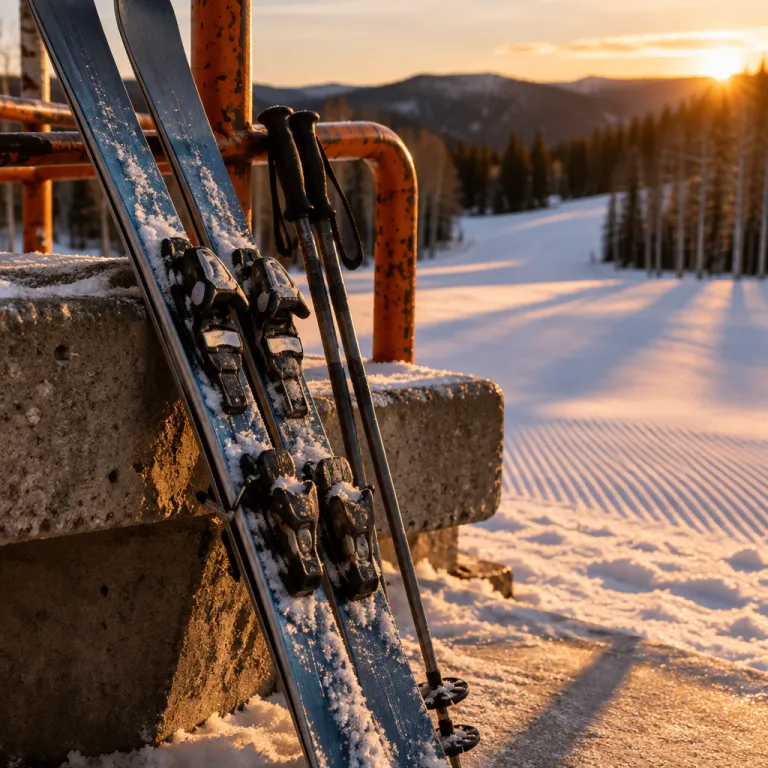
Choosing the best time to go to Aspen for your hotel stay
The best time to go to Aspen depends on how you balance snow conditions, sunshine, and hotel value. For many guests, the ideal time to visit Aspen is when ski season is in full swing yet ski areas still feel refined, with fewer crowds midweek and more attentive service. When you plan your time to visit, think about whether you want deep Aspen winter snow, golden Aspen fall foliage, or warm summer hiking days.
Travelers focused on skiing and snowboarding usually target the core Aspen winter season, roughly late November through early April, when Aspen Snowmass runs its most extensive lift operations. During this time of year, the mountain atmosphere is electric, but hotel rates at central properties in Aspen Colorado and Snowmass can be at their seasonal peak. If you prefer quieter lounges, more flexible room upgrades, and fewer crowds in the lobby, consider the early or late edges of ski season for your visit, such as early December or late March.
Guests who care most about comfort often ask about the average temperature in each season before booking. You can review detailed Aspen Colorado weather by month and see how climate shapes your hotel stay by consulting specialist climate overviews from sources such as NOAA and PRISM that explain temperature swings, snowfall, and sunshine patterns. Once you understand how the weather shifts from winter to spring and from summer to fall, you can align your preferred room type and neighborhood with the conditions you enjoy most.
Quick reference: when to go
• December–February: Deep winter, busiest slopes, highest rates, best for committed skiers and snowboarders.
• Late March–April: Softer snow, more sun, calmer hotels, often better value.
• June–August: Prime hiking and fly fishing, long days, lively summer events.
• September–early October: Aspen fall foliage, cooler air, fewer visitors, attractive room pricing.
How Aspen weather and seasons shape hotel choices
Mountain weather in Aspen changes quickly, and your hotel experience changes with it. In deep Aspen winter, the average temperature in January often stays below freezing, commonly around −8 °C to −1 °C (18 °F to 30 °F), which makes ski in and ski out locations near the main ski areas of Aspen Snowmass especially valuable. When the snow is heavy and the ski season is at its peak, staying slopeside can save you long walks in ski boots and give you more time on the mountain.
As spring arrives in March and April, the weather softens, and many travelers feel this is the best time to go to Aspen for a relaxed ski and sun combination. Late ski season days can bring firm snow in the morning and softer conditions by afternoon, so a hotel with a sunny terrace, outdoor hot tub, or spa becomes a welcome retreat after skiing and snowboarding. Because there are usually fewer crowds in late spring, you may find better room availability, more flexible check in times, and slightly lower nightly rates than during holiday weeks.
By early summer June, the average temperature in Aspen Colorado climbs into the 20 °C range (mid‑60s to mid‑70s °F), and hotel life moves outdoors. This is when guests who visit Aspen for hiking, fly fishing, and scenic drives along the Roaring Fork valley often secure rooms with balconies or easy access to riverside paths. For a detailed month by month breakdown of Aspen Colorado weather by month and how climate shapes your hotel stay, consult dedicated local climate guides based on long term NOAA or PRISM data that explain how temperature and precipitation influence both room demand and nightly rates.
Winter and ski season: timing your stay around the slopes
For many travelers, the best time to go to Aspen is during the heart of Aspen winter, typically late December through February, when skiing is the main focus. Aspen Snowmass operates four distinct ski areas, and each mountain has its own character, from family friendly slopes to challenging steeps. If you plan to ski every day, staying close to your preferred ski area reduces transfer time and lets you return quickly to your room when the weather shifts.
Peak ski season usually coincides with major holidays and high profile events, including Christmas and New Year’s week, Martin Luther King Jr. weekend, Presidents’ Day weekend, and February race or festival periods, which can make hotel reservations more competitive. During these weeks, the best rooms near the lifts and in central Aspen Colorado often sell out months in advance, and flexible cancellation policies become harder to secure. If you want the full Aspen winter atmosphere but prefer fewer crowds, consider booking midweek stays or targeting the early weeks of ski season in early December when the mountain feels more spacious.
Late winter, especially late February into March, can be an excellent time visit for guests who enjoy long lunches on sunlit terraces after a morning of skiing and snowboarding. The average temperature often rises slightly, making it more comfortable to walk between your hotel, après ski venues, and restaurants in Aspen and Snowmass. When you visit Aspen at this time year, you may also find that spa appointments, ski rentals, and private lessons are easier to arrange through your hotel concierge, and that midweek nightly rates are more moderate than during peak holiday periods.
Summer and fall: when hiking, fishing, and foliage define your stay
Not every guest considers winter the best time to go to Aspen, especially those who prefer hiking boots to ski boots. From early summer June through late summer August, the mountain trails above Aspen Colorado open fully, and hotels shift their focus toward hikers, cyclists, and guests who visit Aspen for fly fishing on the Roaring Fork River. Many properties offer secure storage for hiking gear, trail maps at the front desk, and can arrange guided fly fishing excursions that start directly from the lobby.
Summer is also when scenic drives to the Maroon Bells and other mountain passes become central to visiting Aspen, and hotel concierges often help guests secure shuttle reservations or private drivers. During this season, the average temperature is comfortable for evening walks, and outdoor hotel terraces host events ranging from wine tastings to live music. If you value long daylight hours and a relaxed pace, this can be the best time year to combine a hotel stay with hiking, fly fishing, and cultural events such as the Aspen Music Festival, which typically runs from late June through August.
As Aspen fall approaches in September and early October, the town transforms again, and many locals quietly call this their personal best time to go to Aspen. September often brings crisp mornings, warm afternoons, and vivid fall foliage on the slopes above Aspen and Snowmass, while hotel occupancy usually drops after the peak summer events. During Aspen fall, you can often secure premium rooms with mountain views, enjoy fewer crowds at the Maroon Bells, and still take advantage of excellent hiking and fishing conditions before higher elevations see the first snow.
September, spring edges, and shoulder seasons for better value
Travelers who prioritize value often find that the shoulder seasons offer the best time to go to Aspen for a refined yet quieter stay. Early spring, when ski season is winding down in late March and April, and September, when Aspen fall foliage peaks, both bring fewer crowds and more flexible hotel pricing. During these periods, you can often upgrade to larger rooms or suites in Aspen Colorado for a smaller premium than during peak winter or high summer, with some properties discounting standard categories by 10 to 25 percent compared with holiday weeks.
In early spring, the weather can vary from fresh snowfall to warm afternoons, so choosing a hotel with both ski storage and comfortable indoor lounges is wise. This allows you to adapt your time visit easily, skiing in the morning when conditions are favorable and relaxing in the spa or bar when the mountain weather turns. Many hotels in Aspen and Snowmass also use this season to host smaller events, such as wine weekends, chef collaborations, or yoga retreats, which can add depth to your stay without the intensity of peak festival crowds.
September is especially appealing for guests who visit Aspen to combine hiking, scenic drives, and photography of the Maroon Bells without the intensity of peak summer crowds. The average temperature is cool but pleasant, often ranging from about 5 °C to 20 °C (low 40s to upper 60s °F), and the Roaring Fork valley is frequently at its most colorful, which makes even short walks from your hotel feel special. Because there are fewer crowds in restaurants and on trails, staff at your chosen property usually have more time to personalize recommendations and arrange last minute activities such as private guides or sunset photo sessions.
Aligning your hotel stay with Aspen events and local culture
Events play a major role in deciding the best time to go to Aspen, especially if you want a specific cultural experience. Winter brings high profile ski events and festivals that fill hotels in both Aspen and Snowmass, while summer and spring host food, music, and wellness gatherings. When a major event coincides with your time visit, such as the X Games in late January or the Aspen Ideas Festival in late June and early July, booking your preferred hotel early becomes essential, particularly if you want a specific view or room category.
Outside the headline festivals, many hotels curate their own smaller events that reflect Aspen Colorado culture, from art talks and gallery walks to guided scenic drives along the Roaring Fork valley. These in house activities can be a compelling reason to choose one property over another, especially if you are visiting Aspen for more than skiing. To understand how local rituals like morning coffee meetups influence your stay, you can explore guides that explain how Aspen’s coffee culture shapes your hotel stay and helps you connect with the community.
When you visit Aspen during quieter weeks between major events, you often gain more direct access to local experts, from fly fishing guides to mountain photographers who know the best angles on the Maroon Bells. Hotel concierges typically have stronger relationships with these specialists and can secure last minute bookings that might be impossible during peak ski season. This blend of access, culture, and comfort can make a shoulder period your personal best time year to experience Aspen beyond the slopes.
Practical booking strategies for every Aspen season
Once you have chosen the best time to go to Aspen for your style of travel, refine your booking strategy to match the season. During peak Aspen winter and high summer June through August, reserve your preferred hotel at least three to six months in advance, especially if you want ski in and ski out access or specific views of the mountain. In Aspen Snowmass, the most sought after rooms near the main ski areas and central plazas often sell out first, and fully flexible rates may disappear early.
In shoulder seasons such as early spring and Aspen fall, you can sometimes wait longer to confirm your stay, but flexibility remains valuable. Consider booking a cancellable rate initially, then watching for value offers as your time visit approaches, particularly if the weather forecast suggests a milder or snowier period than average. Hotels along the Roaring Fork and in central Aspen Colorado may release special packages that include lift passes, fly fishing outings, or guided hiking, which can enhance your stay without significantly increasing cost and can narrow the gap between peak and off peak nightly rates.
Regardless of the time year you choose for visiting Aspen, align your arrival and departure with your activity plans to avoid losing days to transfers. If you fly into Aspen’s regional airport, ask your hotel about complimentary shuttles, shared vans, or coordinated private transfers to reduce stress and maximize your first afternoon. When you visit Aspen with a clear sense of your priorities, whether skiing and snowboarding, hiking, or simply enjoying fall foliage, your chosen property can tailor services so that your stay feels precisely timed.
Key figures on Aspen travel seasons and hotel demand
- According to Aspen Snowmass lodging data summarized in local tourism reports, average winter occupancy in central Aspen properties often exceeds 70 percent during peak ski season weeks such as late December and February holidays, compared with roughly 50 to 60 percent in many shoulder weeks, which directly affects room availability and pricing. These indicative figures are drawn from publicly reported Aspen Snowmass and Aspen Chamber lodging summaries.
- Tourism reports from Aspen Colorado indicate that July and August typically record some of the highest monthly visitor numbers, while September sees a noticeable drop in total arrivals, even though hiking conditions and fall foliage are often at their best and hotel occupancy softens. These patterns are reflected in seasonal visitation statistics published by the Aspen Chamber and local destination marketing organizations.
- Climate summaries for Aspen based on NOAA and PRISM datasets show that average temperature values in January often remain below 0 °C, while in summer June they frequently reach 20 to 25 °C during the day, which significantly changes how guests use outdoor hotel spaces such as pools, patios, and firepits. The temperature ranges cited here are consistent with long term climate normals reported in those primary datasets.
- Transportation statistics for the Roaring Fork valley compiled by regional planning agencies suggest that road traffic into Aspen can increase by more than 30 percent during major winter events compared with non event weeks, which makes central hotel locations more valuable during those periods. These estimates are based on seasonal traffic counts and event impact summaries produced by local transportation authorities.
- Local travel surveys conducted by the Aspen Chamber and lodging associations consistently report that visitors who plan their time to visit at least three months in advance are more likely to secure preferred room types and better cancellation terms, especially for popular Aspen winter and summer dates. The booking lead times mentioned here reflect typical ranges highlighted in those survey summaries.
FAQ about the best time to go to Aspen for your hotel stay
Is winter always the best time to go to Aspen for a hotel stay ?
Winter is ideal if you prioritize skiing and the full Aspen Snowmass atmosphere, but it is not the only excellent option. Summer and Aspen fall offer hiking, fly fishing, and scenic drives with fewer crowds and often better room value. Your personal best time depends on whether you prefer snow sports, cultural events, or quiet mountain relaxation.
When should I book my hotel if I want to ski in Aspen Snowmass ?
For peak ski season, reserve your hotel several months ahead, especially if you want ski in and ski out access or proximity to specific ski areas. Midweek stays often provide slightly better availability and sometimes lower rates than weekends. If you are flexible, consider early spring for good snow, more relaxed hotels, and fewer crowds.
Is September a good time to visit Aspen for hiking and scenery ?
September is one of the most rewarding months for visiting Aspen if you enjoy hiking, photography, and fall foliage. Trails are usually quieter than in high summer, and the average temperature is comfortable for long days outdoors. Hotels often offer attractive rates, and views of the Maroon Bells and the Roaring Fork valley can be spectacular.
How does summer June compare with winter for hotel stays in Aspen Colorado ?
Summer June brings warmer weather, open hiking trails, and active fly fishing on local rivers, which shifts hotel life toward terraces and outdoor pools. Winter focuses on skiing and snowboarding, with guests spending more time near the lifts and in cozy lounges. Both seasons can be the best time to go to Aspen, but they deliver very different styles of stay.
Are shoulder seasons really better for value when booking hotels in Aspen ?
Shoulder seasons such as early spring and Aspen fall often provide a strong balance between price, comfort, and access to activities. Room rates can be lower than during peak Aspen winter or high summer, and there are usually fewer crowds in both hotels and restaurants. If you are flexible on exact dates, these periods can be the best time year to secure premium rooms at more approachable prices.