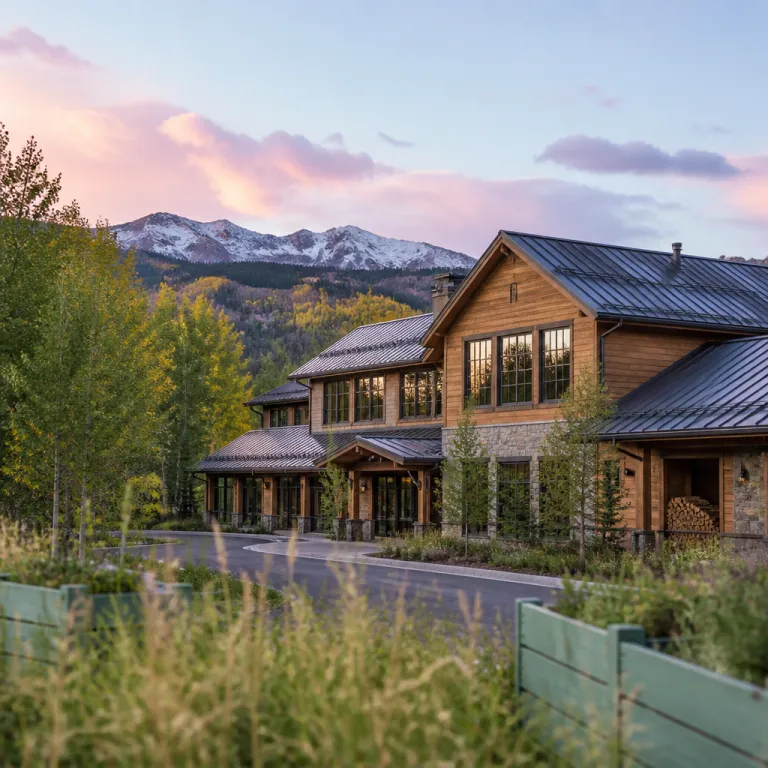
Why aspen colorado weather by month matters when you book a room
Choosing a hotel in Aspen Colorado without understanding the weather by month is a costly mistake. The town sits high in the Rocky Mountains of the United States, so even a small shift in season transforms the climate, the ski conditions, and the kind of stay you will enjoy. Savvy travellers study seasonal weather patterns for Aspen in detail, then match their preferred experiences with the right time of year and the right property in the city Aspen area.
Local climate data for Aspen Colorado, drawn from long term records compiled by national climate agencies and regional stations, shows an average annual high around 13 °C and an average annual low close to −3 °C, but those averages hide dramatic swings between deep winter and warm summer. When you look at the weather by month instead of annual summaries, you see how January and February bring intense cold, while June and July deliver high temperatures that feel almost summery in this Colorado county. For anyone comparing hotels in the city, that monthly view of local conditions is far more useful than a single average day figure.
Hotels and every services business linked to tourism in Aspen Colorado plan staffing, pricing, and amenities around this monthly climate rhythm. Ski resorts adjust lift operations and snowmaking according to detailed weather data, while downtown properties in the city Aspen core time their terrace openings and outdoor events to the first stable warmth of late May and June. When you align your booking window with these patterns, you get better value, more reliable conditions, and a stay that feels tailored to the season rather than at the mercy of it.
Deep winter in aspen colorado: january–march
From January through March, the city experiences its most intense winter personality. Historical climate data shows that January is the coldest month, with an average high just above freezing and an average low well below −10 °C, which means every day starts crisp and often brutally cold. For hotel guests, this period offers the most reliable ski conditions in the state Colorado high country, but it also demands careful packing and thoughtful room selection.
In early January, high temperatures in Aspen Colorado often stay in the low single digits Celsius, while nights plunge enough to keep snow dry and powdery on the ski slopes. The average high in February climbs only slightly, and the average low remains firmly subzero, so winter retains its grip even as daylight lengthens across the county and surrounding area. Because of this persistent cold, many travellers prefer hotels with in house ski services business facilities, such as boot warmers, gear storage, and quick shuttle access to the lifts, reducing time spent outside in severe weather.
By March, the weather pattern begins to shift, with average high readings rising into comfortable single digits and low teens Celsius on sunny days. Nights still drop below freezing, which preserves the snowpack, but afternoons can feel almost springlike in the city Aspen streets. This shoulder phase of winter is ideal if you want to combine ski mornings with relaxed terrace lunches, and it is when many hotels start to promote longer stays that bridge the end of peak winter and the start of quieter late season weeks.
Spring transitions: understanding march–june in the city
Spring in Aspen Colorado is less a single season and more a sequence of rapid transitions that matter greatly when you choose a hotel. In March and April, average precipitation increases as the high sun angle fuels both late snowstorms and occasional rain in the lower parts of the city, which can complicate travel plans and influence which neighbourhood feels most comfortable. Guests who prefer predictable ski conditions often favour higher elevation access, while those focused on dining and culture in the city Aspen core may prioritise walkability over immediate slope proximity.
By May and into June, the climate in this Colorado county becomes more forgiving, with average high temperatures climbing steadily and the average low hovering closer to freezing rather than deep below it. Snow retreats from the streets of Aspen Colorado, though ski operations on nearby peaks can sometimes continue, creating unusual days where you ski in the morning and hike or cycle in the afternoon. Hotels respond to this mixed weather by shifting from heavy winter services business offerings, such as ski valets, toward concierge support for hiking, fly fishing, and scenic drives across the wider area.
Average precipitation peaks in April, then gradually declines toward June, which is reflected in how locals talk about the changing seasons. Late storms can still bring impressive snow totals in early spring, but by June most days are dominated by clear skies, comfortable high temperatures, and cool nights that invite open windows rather than heavy heating. For travellers, this is a prime time to secure better rates at central properties, enjoy quieter public spaces in the city, and experience the mountains as they wake from winter without the crowds of peak summer.
Summer in aspen colorado: june to aug sep and hotel strategy
Summer in Aspen Colorado, from June through Aug Sep, offers some of the most pleasant mountain weather in the United States. Average high temperatures in June sit in the mid 20s Celsius, rising toward the upper 20s in July before easing slightly in August, while the average low at night often drops into single digits, which keeps bedrooms naturally cool. This combination of warm days and crisp nights shapes everything from hotel air conditioning needs to the popularity of balconies and outdoor pools in the city Aspen area.
During peak summer, the climate remains relatively dry, with lower average precipitation than in spring, though afternoon thunderstorms can still roll across the county with little warning. Travellers who understand the weather by month pattern know that early hikes or bike rides are best, leaving time to retreat to the hotel spa or lounge before any late day showers arrive. Many properties in this Colorado county schedule their outdoor services business offerings, such as yoga decks, rooftop bars, and garden events, around this daily rhythm of clear mornings and potentially stormy afternoons.
Because high temperatures rarely become oppressive, summer in Aspen Colorado feels luxurious even in simple moments, like walking the city streets at dusk or listening to live music in a courtyard. The conditions in July and August are also ideal for festivals and cultural events, which means central hotels often sell out long in advance. If you plan to visit during this summer peak, booking early and choosing a location that balances quiet side streets with easy access to the main area will significantly enhance your stay.
Autumn shifts: aug sep to nov dec and how they affect your stay
From Aug Sep through Sep Oct and into Oct Nov, Aspen Colorado moves through a swift and visually dramatic autumn. Average high temperatures begin to fall steadily after August, while the average low at night drops toward freezing, especially by late September, which makes early mornings in the city feel sharply cooler. This is the period when hotel guests wake to frosted rooftops yet enjoy warm, golden afternoons that showcase the surrounding mountains at their best.
In Sep Oct, local patterns often deliver clear skies and relatively low average precipitation, creating ideal conditions for hiking, photography, and scenic drives across the wider Colorado county. Many travellers consider this shoulder season the most comfortable time to explore the city Aspen streets, as crowds thin after summer but winter has not yet tightened its grip. Hotels respond with attractive rates and curated services business offerings, such as guided foliage walks or wine tastings that highlight the quieter, more reflective side of the city.
By Oct Nov and into Nov Dec, the climate shifts decisively toward winter, with high temperatures dropping further and the average low frequently below freezing, especially overnight. Early snowfalls become more common across the area, and ski operations begin to prepare in earnest, even if full winter coverage is still weeks away. For guests, this is a transitional window when you might enjoy both autumn colours and the first ski days, provided you choose a hotel that offers flexible amenities suited to both cool city strolls and early season mountain excursions.
Winter returns: november december to january february in aspen colorado
As Nov Dec gives way to January February, Aspen Colorado settles back into full winter, and the weather by month becomes the single most important planning tool for hotel guests. Average high temperatures in November and December hover just above freezing, while the average low dips well below, setting the stage for consistent snow cover in the city and across the surrounding county. By the time January arrives, the climate is firmly locked into deep winter, with each day shaped by cold air, short daylight, and the steady rhythm of the ski season.
During this period, average precipitation often falls as snow rather than rain, which is excellent news for ski enthusiasts but demands more preparation from visitors. Travellers should pay close attention to forecasts and real time data from local stations, especially when planning arrivals or departures through mountain passes in the state Colorado. Hotels that understand these challenges often coordinate closely with transport providers and other services business partners, helping guests navigate delays, road closures, or sudden storms that can affect the wider area.
Within the city Aspen limits, the combination of low average high temperatures and very cold nights means that amenities such as heated sidewalks, indoor pools, and in room fireplaces become more than luxuries. Guests who value comfort during this harshest phase of winter should prioritise properties that invest in robust insulation, reliable heating, and thoughtful design that minimises exposure to the elements. When you align your choice of hotel with the realities of November December through January February weather, you transform a potentially challenging season into an experience that feels both exhilarating and deeply cosy.
Key climate figures that shape hotel choices in aspen colorado
Long term climate summaries for Aspen Colorado, based on records from national centres such as NOAA and regional mapping tools like PlantMaps, provide a concise month by month snapshot that helps explain hotel demand:
| Month | Avg high (°C) | Avg low (°C) | Avg precip (mm) |
|---|---|---|---|
| January | 1 | −14 | 38 |
| February | 3 | −12 | 33 |
| March | 7 | −8 | 48 |
| April | 11 | −3 | 69 |
| May | 16 | 1 | 51 |
| June | 22 | 5 | 38 |
| July | 27 | 8 | 38 |
| August | 26 | 7 | 43 |
| September | 21 | 3 | 38 |
| October | 14 | −2 | 38 |
| November | 6 | −8 | 38 |
| December | 2 | −13 | 43 |
- Average annual high temperature in Aspen Colorado is about 13 °C, while the average annual low is roughly −3 °C, according to PlantMaps, which highlights how cool the city remains even in summer.
- July is the warmest month in Aspen, with an average high close to 27 °C, making it ideal for guests who prioritise hiking, festivals, and outdoor dining over ski focused stays.
- January is the coldest month in the city Aspen area, with an average low near −14 °C, so hotel guests visiting then should expect very cold mornings and prioritise properties with strong heating and winter friendly amenities.
- April records the highest average precipitation of the year at around 69 millimetres, which can mean a mix of late snow and rain, so flexible indoor facilities become especially valuable for travellers.
- Annual precipitation in Aspen Colorado totals roughly 54 centimetres, a moderate figure that, combined with the high elevation, supports a long ski season and lush summer landscapes that both influence hotel demand patterns.
FAQ about aspen colorado weather by month and hotel planning
What is the warmest month in Aspen for hotel guests who dislike cold?
July is the warmest month in Aspen Colorado, with an average high around 27 °C and comfortably cool nights, which suits travellers who prefer mountain air without harsh winter conditions. Hotels often emphasise outdoor terraces, garden spaces, and open air events during this period. If you dislike cold but want the full mountain experience, July and early August are the safest choices.
When is the coldest time to visit Aspen, and how should I choose a hotel?
January is the coldest month in the city Aspen area, with an average low near −14 °C and daytime highs often just above freezing. In this deep winter phase, prioritise hotels with strong heating, indoor corridors, and amenities such as hot tubs, saunas, or fireplaces. Proximity to ski lifts or reliable shuttle services also reduces your exposure to severe weather.
Which month has the most precipitation, and what does that mean for my stay?
April records the highest average precipitation in Aspen Colorado, with roughly 69 millimetres falling as a mix of snow and rain. This can create variable conditions, from powder days on the slopes to slushy streets in the city. Choosing a hotel with good drying facilities, flexible indoor spaces, and easy access to both mountain and town activities will help you adapt.
Is summer in Aspen still attractive if I am mainly a ski traveller?
While summer does not offer ski operations in the same way as winter, the high elevation climate keeps temperatures pleasant, and many ski focused hotels pivot to hiking, biking, and cultural programming. You will find that the conditions in Aspen deliver warm days and cool nights, ideal for active holidays. If you love mountains in general, summer stays can complement your winter ski trips rather than replace them.
How far in advance should I book a hotel based on monthly weather patterns?
For peak winter months such as January February and peak summer weeks in July, booking several months ahead is wise because demand closely tracks the most favourable weather by month. Shoulder seasons like Sep Oct or late March April often offer more flexibility and better value, though specific events can still drive occupancy. Align your booking timeline with both the climate data and any festivals or holidays that interest you.