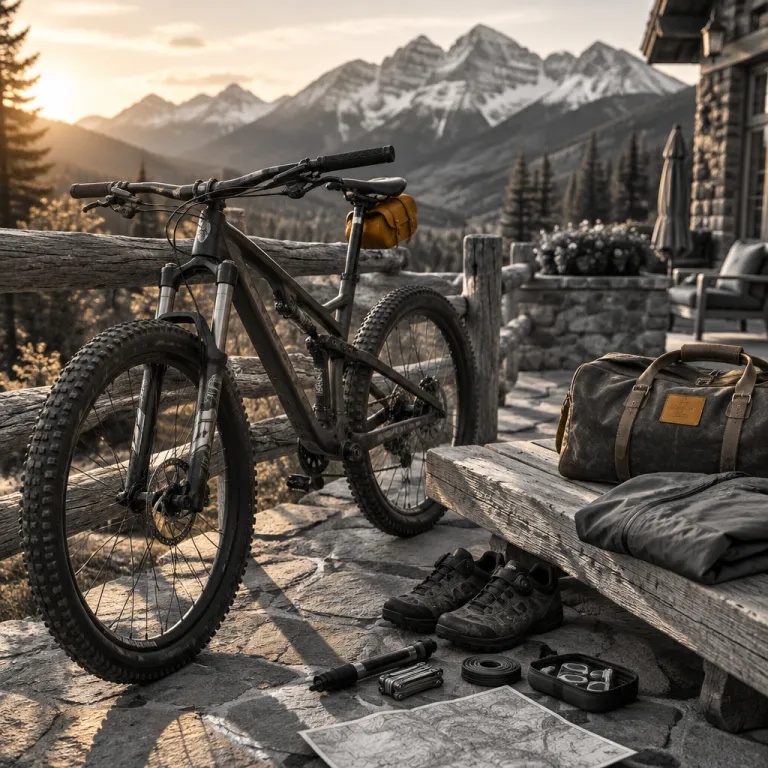
Why riders booking Aspen hotels care about nearby mountain biking
Staying in Aspen places you within minutes of some of the most acclaimed mountain bike routes in Colorado. Serious riders value waking up close to a world class mountain, a flowing singletrack network, and a valley where every ride can start almost from the hotel door. For many guests, the choice of hotel in Aspen or Snowmass is inseparable from access to a memorable ride on varied terrain.
The broader Aspen Snowmass area has invested heavily in a connected riding ecosystem that links town, mountain park infrastructure, and creek valley corridors. From the Roaring Fork Valley floor to the higher slopes above Snowmass Village, you can plan a level ride for families or a difficult, technical climb without ever needing a long transfer. This proximity means you can schedule a morning loop, return to your room to freshen up, and still enjoy an elegant lunch in the village.
Many hotels now market their access to specific trail networks, such as Hunter Creek or the lower Roaring Fork river paths. When you compare properties, look for clear references to mountain biking, on site storage for bikes, and quick access to a bike park or lift served terrain. Guests who prioritise a top riding experience should also ask about partnerships with local guides and rental shops that know every trail and creek crossing.
Key areas for mountain biking near central Aspen
From downtown Aspen, the Hunter Creek and Smuggler Mountain area forms the closest cluster of off road routes. The Hunter Creek valley offers a mix of singletrack and wider trail options, giving riders a choice between gentle creek valley spins and more technical climbs. Hotels within walking distance of the base of Smuggler Mountain allow you to start your ride without even loading bikes into a car.
To the south, the Roaring Fork corridor connects Aspen to Basalt and Carbondale, creating a longer fork valley ride for guests who want more miles. Paved paths along the Roaring Fork river link to dirt trails, so you can design a progressive level ride that starts easy and finishes on more difficult terrain. This flexibility is ideal for mixed ability groups staying in Aspen, where some riders may prefer a relaxed outing while others chase a top personal time on steeper trails.
Several hotels highlight their proximity to these routes by providing printed maps of each trail and suggestions for half day or full day rides. A concierge at one central Aspen property, for example, often recommends a two hour Hunter Creek loop of roughly 10 to 12 kilometres with about 300 metres of climbing for guests arriving in the afternoon. Ask the concierge which options are best for your fitness level, and whether any creek crossings or technical sections might be challenging. A well briefed local team can steer you toward the right ride, whether you want a short spin before dinner or a demanding mountain bike adventure.
Snowmass Village stays and lift served trail networks
Guests who prioritise gravity focused riding often choose accommodation in Snowmass Village. The Snowmass Bike Park, usually referred to simply as the Snowmass bike park, offers lift served descents on purpose built trails Snowmass has shaped for a range of riders. Staying in Snowmass Village means you can roll from your hotel to the lift, making it easy to maximise your ride time.
The bike park sits within the wider Aspen Snowmass resort, which has earned a gold level Ride Center designation from the International Mountain Bicycling Association (IMBA, as listed in its official Ride Center directory). This gold level status reflects not only the quality of the bike park but also the surrounding singletrack and valley trails that connect Snowmass to Aspen and the Roaring Fork corridor. When you book a hotel here, you are effectively reserving a front row seat to one of the top mountain biking destinations in the region.
Many Snowmass properties offer bike friendly amenities such as secure storage for bikes, wash stations, and quick access to rental shops that specialise in downhill and enduro mountain bikes. Before confirming your stay, ask whether the hotel partners with any local guide services that can help you choose the right trail or level ride in the bike park. For guests who like to plan visually, some hotels even provide a link to a resort produced watch video guide that showcases the main trails Snowmass features each season.
Signature Snowmass descents and what they mean for hotel guests
Within the Snowmass bike park, trails Snowmass has developed range from gentle green runs to difficult black diamond descents. Flow oriented routes offer smooth berms and rollers that suit intermediate riders, while more technical lines include rock gardens and steep chutes. When you stay nearby, you can sample several trails in a single day, returning to your room between laps if the weather shifts.
Elk Camp is the primary lift hub for summer mountain biking, and many hotels in Snowmass Village promote their proximity to this base. From Elk Camp, riders can access a stacked loop system that allows for short warm up laps or longer rides that drop deeper into the mountain park. Families often appreciate the option to start on easier terrain near the top elk area, then gradually progress to more challenging singletrack as confidence grows.
Because the lift accessed network sits high above the valley, conditions can change quickly, so staying close by is a practical advantage. You can step out, assess the sky mountain weather, and decide whether to focus on a quick ride or a full day in the park. One Snowmass concierge describes a common pattern: guests ride two or three 20 to 30 minute laps in the morning, return for lunch, then head back out for a final longer descent in the afternoon. For many guests, this flexibility is the difference between a rushed outing and a relaxed, luxurious biking holiday.
Scenic drives, day trips, and how they pair with hotel choices
Many travellers combine local trail riding with scenic drives and day trip getaways. From town, the drive along the Roaring Fork river toward Independence Pass offers sweeping mountain views and access to high altitude trailheads. Choosing a hotel with easy parking and quick highway access makes it simpler to load bikes and head out early.
Another classic route leads toward the Maroon Creek valley and the famous Maroon Bells, where strict vehicle regulations mean you often use a shuttle for part of the journey. Guests who plan to mix hiking, scenic drives, and biking should study how their hotel connects to shuttle stops and parking areas described in dedicated Maroon Bells scenic drive guides. A property that understands these logistics can help you time your ride and sightseeing so you avoid the busiest hours.
For travellers who prefer a refined arrival, planning elegant ways to travel from Denver to Aspen can shape the entire stay. Whether you arrive by car over the pass or via a combination of flight and ground transfer, consider how your chosen hotel supports bike transport and storage. Once in Aspen or Snowmass, you can then focus on the ride itself rather than the practicalities of moving bikes and gear.
Linking scenic routes with riding in the wider valley
Several scenic drives in the Roaring Fork Valley double as gateways to lesser known trail systems. As you follow the river downstream, side roads climb into smaller creek valleys where local riders have built and maintained singletrack networks. Hotels that work closely with local bike shops can often point you toward these quieter areas, which suit guests seeking a more secluded ride.
When planning a day trip, consider how many miles you want to cover and whether you prefer a loop or an out and back ride. Some routes combine a gentle level ride along the valley floor with a more difficult, technical climb into the surrounding mountain terrain. This structure allows mixed groups to share part of the day, then split up as the trail steepens, before regrouping at the car for the scenic drive home.
Because these outings often involve remote sections, ask your hotel about weather patterns, water availability, and any recent trail closures. A well informed concierge can help you avoid creek crossings that may be unsafe or sections where erosion has made the ride more difficult than expected. One local guide recalls turning a guest away from a favourite loop after heavy rain and instead suggesting a lower valley ride that still delivered three hours of flowing singletrack. This kind of guidance reflects a property that truly understands the needs of mountain bike guests.
Choosing the right Aspen or Snowmass hotel for riders
When evaluating hotels near mountain biking routes around Aspen, start by mapping their distance to key trailheads. Properties close to Hunter Creek, Smuggler Mountain, or the Rio Grande path offer quick access to early morning rides before breakfast. In Snowmass Village, look for hotels within a short roll of the Elk Camp gondola or the main bike park entrance.
Storage for bikes is essential, especially for guests travelling with high value mountain bikes. Ask whether the hotel offers secure indoor racks, a dedicated bike room, or in room storage options that keep bikes out of hallways. Some Aspen Snowmass properties also provide basic tools and pumps, which can save you a trip to a shop before your next ride.
Service matters as much as infrastructure, so pay attention to how staff talk about mountain biking and local trails. A team that can explain the difference between a gentle level ride in the valley and a difficult, technical descent from the top elk area will likely support your plans more effectively. When a hotel invests in this knowledge, it signals a genuine commitment to riders rather than a passing marketing trend.
Balancing comfort, style, and trail access
Many travellers want both refined accommodation and immediate access to off road riding. In that case, consider properties that combine upscale rooms with thoughtful touches such as early breakfast for riders, laundry facilities for kit, and spa access for post ride recovery. Some hotels also collaborate with local guides who can tailor a ride to your ability and schedule.
If you prefer a more private setting while remaining close to the action, cabin style stays and chalet options around Aspen and Snowmass can work well. These properties often sit near quieter singletrack or creek valley routes, giving you a peaceful base after a busy day in the bike park. For hotel minded travellers who still like the feel of a standalone retreat, curated Aspen cabin style rentals can bridge that gap elegantly.
Whatever style you choose, confirm how the property handles muddy bikes, wet gear, and late checkouts after a long ride. A flexible approach to these details can transform a good stay into a great one for mountain bike guests. When a hotel anticipates these needs, it shows that riders are not an afterthought but a valued part of their clientele.
Planning your riding days: routes, rentals, and local expertise
Effective use of your time on the trails starts with clear daily plans. Begin by deciding whether you want to focus on lift served terrain in the Snowmass bike park, cross country loops near Aspen, or a mix of both. Your hotel concierge and local bike shops can then suggest specific routes that match your fitness and technical skills.
Rental options in Aspen Snowmass cover everything from entry level trail bikes to high end carbon mountain bikes with long travel suspension. When reserving, specify whether you plan mostly valley paths, moderate singletrack, or difficult, technical descents in the mountain park. This information helps staff choose the right bike and tyre setup, which can make a noticeable difference in comfort and control.
Many visitors benefit from at least one guided ride, especially on their first day. Local guides know which trails dry fastest after rain, where creek crossings may be deeper, and how to link segments into a coherent level ride. They can also advise on etiquette, such as yielding to uphill riders and sharing popular trails with hikers and runners.
Using media and maps to refine your choices
Before you arrive, study official trail maps for Aspen, Snowmass, and the wider Roaring Fork Valley. These maps show elevation profiles, distances in kilometres, and difficulty ratings for each trail and loop. Cross reference them with your hotel location so you can see which rides start closest to your door.
Many resorts and tourism boards now produce short watch video clips that showcase signature routes, from gentle valley paths to more technical singletrack. While these videos highlight the most photogenic sections, they also give a sense of how a trail flows and whether it suits your style. Combine this visual impression with written descriptions from local organisations to avoid surprises once you are on the mountain.
Once in town, pick up printed maps and ask staff at your hotel to mark their favourite rides for different conditions. On hot days, they might suggest shaded creek valley routes, while cooler mornings could be ideal for higher elevation loops near the top elk areas. This blend of planning and local insight ensures each ride feels intentional rather than improvised.
Seasonality, conditions, and safety for hotel based riders
Seasonal patterns strongly influence how you experience mountain biking around Aspen. Early in the riding season, snow can linger on higher mountain slopes, keeping some trails closed while lower valley routes already ride well. Hotels that stay in close contact with local trail organisations can provide up to date information on which areas are open.
During the height of summer, temperatures in the Roaring Fork Valley can climb, making early starts from your hotel a wise choice. Many riders head to higher elevation zones near Elk Camp or other sky mountain viewpoints to enjoy cooler air and longer descents. In the shoulder seasons, freeze thaw cycles can create muddy conditions, so be prepared to adjust your plans to protect the trails.
Safety considerations extend beyond weather, especially for visitors unaccustomed to altitude. Plan conservative first rides, choosing a moderate level ride rather than the most difficult, technical descent on day one. Hydrate well, carry basic tools and a small first aid kit, and let hotel staff know your intended route if you are heading into quieter areas.
Respecting trails and the wider mountain environment
Responsible use of local singletrack helps preserve access for future visitors. Stay on designated routes, avoid cutting switchbacks, and do not ride on saturated trails that show deep tyre ruts. When you encounter hikers or equestrians, slow down, communicate clearly, and yield appropriately.
Many hotels now share simple guidelines for sustainable riding, often developed in partnership with local advocacy groups. These may include recommendations on when to avoid certain creek valley sections, how to handle wildlife encounters, and where to wash bikes without polluting waterways. By following this advice, you support both the environment and the community that maintains the trails you enjoy.
Finally, remember that your choice of accommodation can reinforce these values. Properties that donate to trail organisations, host volunteer days, or promote gold level Ride Center standards contribute directly to the quality of the riding experience. When you support such hotels, you help ensure that the Aspen Snowmass region remains a premier destination for mountain biking guests.
Key figures about mountain biking around Aspen
- The International Mountain Bicycling Association notes that the Aspen Snowmass area includes dozens of kilometres of purpose built singletrack within its gold level Ride Center designation, placing it among the more extensive lift accessed and cross country networks in the Rocky Mountains (as reported in IMBA Ride Center summaries).
- Regional tourism data from the Colorado Tourism Office indicates that a significant share of summer visitors to Aspen and Snowmass cite mountain biking as a primary activity, a proportion that has grown steadily over the past decade as new trails and bike park features have opened (figures drawn from published state tourism reports).
- Trail organisations in the Roaring Fork Valley report that volunteer crews contribute substantial hours of maintenance work each season, helping to keep a large network of multi use trails in rideable condition for both local riders and visiting guests (as noted in annual stewardship updates).
- Climate records from the National Weather Service show that the main riding season around Aspen typically spans several months, from late spring through early autumn, with July and August often offering the most reliable dry trail conditions at higher elevations (based on long term regional climate summaries).
FAQ about hotels and mountain biking near Aspen
Which area is better for riders, Aspen town or Snowmass Village ?
Riders who prioritise lift served downhill and a dedicated bike park often prefer Snowmass Village, where the Snowmass bike park and Elk Camp lifts sit close to many hotels. Guests who enjoy cross country loops, valley paths, and quick access to Hunter Creek and Smuggler Mountain usually favour staying in Aspen itself. Both areas are linked by the Roaring Fork Valley corridor, so you can sample each during a single trip.
Do I need a car to reach the main mountain biking trails near Aspen ?
Many central Aspen hotels sit within riding distance of popular trailheads, so confident riders can often pedal directly from the door. In Snowmass Village, most properties are close to lifts and trail access, reducing the need for a car during your stay. A vehicle is helpful if you plan longer day trips to more remote fork valley or creek valley networks.
Can beginners enjoy mountain biking around Aspen Snowmass ?
Yes, the region offers a wide range of green and blue level rides suitable for beginners and families. Gentle valley paths and lower mountain park trails provide a forgiving introduction before you progress to more technical singletrack. Many rental shops and guides specialise in helping new riders choose appropriate routes and bikes.
What should I look for in a bike friendly hotel in Aspen or Snowmass ?
Prioritise properties that offer secure bike storage, easy access to washing facilities, and staff who understand local trails. Proximity to key areas such as Hunter Creek, the Rio Grande path, or the Snowmass bike park can significantly enhance your riding experience. Extra touches like early breakfast, laundry options, and partnerships with guide services are valuable for dedicated riders.
When is the best season to book a hotel for mountain biking near Aspen ?
The prime season for mountain biking typically runs from late spring to early autumn, with higher elevation trails and the Snowmass bike park fully opening once snow has melted. July and August usually offer the most consistent dry conditions on the mountain, while late season can provide quieter trails and cooler temperatures. Booking early for peak summer dates is advisable, especially in hotels closest to major trailheads and lifts.