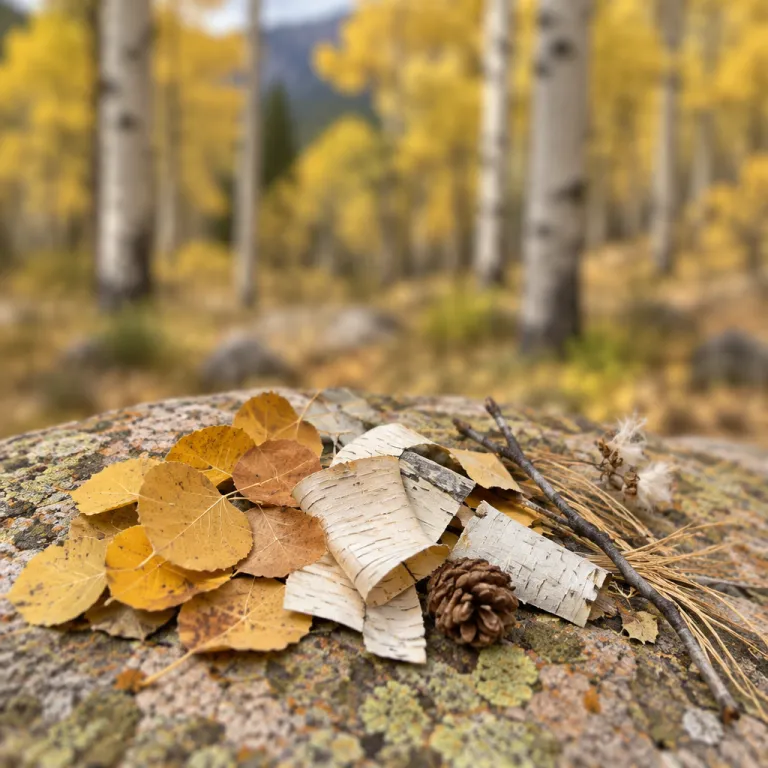
Reading the mountains: how timing and elevation shape Aspen fall color
The best time to see Aspen fall foliage is not a single weekend but a moving window that slides down the mountain as temperatures shift. In the high country around Aspen Mountain, Independence Pass, and the upper reaches of Castle Creek, the aspen trees usually flare first, then the color drops toward the river valleys as nights cool and the season deepens. If you plan to visit Aspen for a romantic escape, think of the landscape as a vertical calendar rather than a fixed date on a list.
Higher elevation corridors such as Independence Pass and the upper Castle Creek Road typically reach peak fall colors seven to ten days before the valley floor, which means a mid September stay favors ridge line drives while a late September booking suits riverside walks. A hard frost around mid September can pull the whole schedule forward by about a week, so couples chasing the best fall foliage should watch local forecasts from Denver to Aspen and be ready to adjust their time to visit. When you choose a hotel or vacation rental, ask directly how long it takes to reach Independence Pass, Maroon Creek, or the base of Aspen Mountain at sunrise, because those minutes matter when the aspen groves are only golden for a short stretch.
For many travelers, the best balance is a two or three night stay that straddles the expected peak rather than a rushed day trip from Denver or Colorado Springs. This gives you one morning to drive toward the highest pass or peak, another to linger along the river and creek corridors, and a buffer day in case wind strips the aspen trees earlier than expected. In a narrow season like Aspen fall, flexibility is your real luxury, not just the thread count or the silver accents in the lobby.
Where to stay for golden hours: pairing hotels with Aspen’s classic fall drives
Choosing where to stay in Aspen during fall is really about choosing which mountain corridor you want to wake up to, because the best time to see Aspen fall foliage aligns with specific drives. Couples who want first light on Maroon Bells and the mirrored colors on Maroon Lake should prioritize lodging near the Aspen Highlands shuttle stop or along the Maroon Creek Road approach, which shortens the pre dawn transfer and keeps the romance intact. If your hotel or vacation rental sits in central Aspen, confirm walking times to the Rubey Park bus station and ask the front desk to explain current Maroon Creek shuttle rules, since access to Maroon Bells is tightly managed in peak color weeks.
Those more drawn to the quiet drama of Castle Creek can look for stays on the south side of town, where Castle Creek Road begins its gentle climb past meadows, historic mill sites, and dense aspen groves. From here, a short drive places you among sweeping fall colors by the river, with views that feel far from the ski lifts yet remain close enough to return for a late breakfast or spa appointment. For couples who like to hike together, this is also where summer trail knowledge pays off, and guides such as this detailed overview of how Aspen summer hiking trails shape the best places to stay can help you translate favorite routes into autumn leaf peeping bases.
If you prefer to mix fall foliage with the energy of Aspen Snowmass, consider splitting your stay between Aspen and Snowmass Village to sample both aspen peak corridors. Early in the window, a night near Independence Pass or upper Castle Creek lets you chase high elevation color, then a move to Snowmass for a night or two catches the slightly later Snowmass fall along the ski slopes and creek bottoms. This kind of progressive stay suits couples who enjoy both quiet drives and a glass of wine in a lively lounge, and it turns the best time to see Aspen fall foliage into a curated journey rather than a single snapshot.
Maroon Creek, Castle Creek, and Independence Pass: three distinct moods of Aspen fall
Maroon Creek, Castle Creek, and the Independence Pass corridor each offer a different way to experience Aspen fall, and your lodging choice should echo the mood you want. Maroon Creek is the classic postcard, with Maroon Bells rising above the lake, aspen trees ringing the shore, and fall colors reflected in still water at dawn. Staying in Aspen proper or near Aspen Highlands keeps you close to the shuttle system and pairs well with this practical Aspen hotels and Maroon Bells scenic drive guide, which explains how to time your visit for the softest light and the quietest trails.
Castle Creek feels more intimate, with the road tracing the river, passing the historic Ashcroft ghost town, and weaving through dense aspen groves that glow in both early and late September. Couples who book a hotel or vacation rental on this side of town can slip out for an hour of leaf peeping before breakfast, then return for spa time or a long lunch without turning the day into a marathon drive. The mix of open meadows, old mill remnants, and tight creek bends means you see different colors and textures every few minutes, which keeps even a short outing rich and varied.
Independence Pass offers the most dramatic mountain views, with silver scree slopes, sharp peaks, and ribbons of aspen trees climbing toward the sky, but it also turns first, often by mid September. If your goal is to catch the earliest wave of fall foliage, consider arriving in Aspen just as the pass begins to glow, then shifting your focus to Maroon Creek and Castle Creek as the color drops. For couples who enjoy both driving and walking, this sequence lets you experience the full arc of Aspen fall, from high alpine passes to sheltered river bends, without ever feeling rushed.
Snowmass, rivers, and festival weekends: planning stays around shifting color
Snowmass brings a different rhythm to the best time to see Aspen fall foliage, with broad ski slopes that turn gold in waves and a village layout that suits couples who like to stroll. Because Snowmass fall color often lags slightly behind the highest Aspen peak corridors, a stay here in late September can still deliver strong fall colors even if Independence Pass has already dulled. Look for rooms or a vacation rental with direct access to the Snowmass Mall or Base Village so you can walk to lifts and trails without driving, then use the free buses to visit Aspen for dinner or a riverfront walk.
Down in the valleys, the Roaring Fork River and its tributaries frame some of the most relaxed leaf peeping in Colorado, especially for couples who prefer gentle walks to steep hikes. A hotel near the river path in Aspen or Snowmass lets you step straight into aspen groves and cottonwood stands, watching the colors shift day by day as the season moves from mid September toward late September. If your dates coincide with major events such as the Jazz Aspen Snowmass Labor Day weekend, consult this focused guide on where to stay when Snowmass Town Park fills up, because festival demand can tighten availability just as the leaves begin to peak.
When you plan your time to visit, remember that the color window is short and that weekends with the best views often sell out months ahead, especially for properties with strong mountain or river outlooks. Booking a flexible rate for two or three nights gives you room to pivot between Aspen, Snowmass, and nearby passes if a sudden frost or windstorm shifts the schedule. In the end, what defines a successful Aspen fall stay is not the star rating but the walk to the lift, the creek, or the trailhead at first light, when the aspen trees are at their quiet, golden peak.
FAQ
When is the best time to see Aspen fall foliage for a romantic trip?
For most couples, the best time to see Aspen fall foliage is from the third week of September into early October, with higher areas such as Independence Pass and upper Castle Creek turning first. If you want the highest chance of peak color, aim for a two or three night stay that straddles the last part of September, then adjust your daily drives by elevation. Early in your visit, focus on passes and peaks, and later in the stay, shift to river corridors and lower aspen groves.
Is it better to stay in Aspen or Snowmass for fall colors?
Staying in Aspen places you closer to Maroon Creek, Castle Creek, and the Independence Pass corridor, which are the classic leaf peeping routes. Snowmass offers broader ski slope views and often slightly later color, which can be helpful if your dates fall toward the end of the season. Many couples split their time between Aspen and Snowmass to sample both moods, using the free buses to move easily between the two areas.
How many nights should I book to avoid missing peak color?
Because Aspen fall color can shift by a week due to frost or wind, a two or three night stay is far more reliable than a single night. This gives you at least one morning to chase high elevation color and another to enjoy lower valley foliage if the timing slides. It also builds in a buffer day in case weather closes a pass or clouds block sunrise views.
Do I need a car to see Maroon Bells and Independence Pass in fall?
A car offers maximum flexibility for Independence Pass and some Castle Creek stops, but Maroon Bells is usually accessed by shuttle from Aspen Highlands during peak periods. If you stay in central Aspen, you can reach the shuttle by bus or a short drive, then rely on tours or rideshares for other outings. Couples who prefer not to drive mountain roads may want a hotel that partners with local guides for fall foliage excursions.
How far in advance should I book a hotel for Aspen fall foliage?
Rooms with strong mountain or river views during the peak color weeks often sell out several months ahead, especially when festivals overlap with the best time to see Aspen fall foliage. If your dates are fixed, book as early as possible and choose a flexible rate in case the color window shifts. Travelers with flexible schedules can sometimes wait to see early season reports, but they should still reserve at least four to six weeks in advance for the most desirable properties.