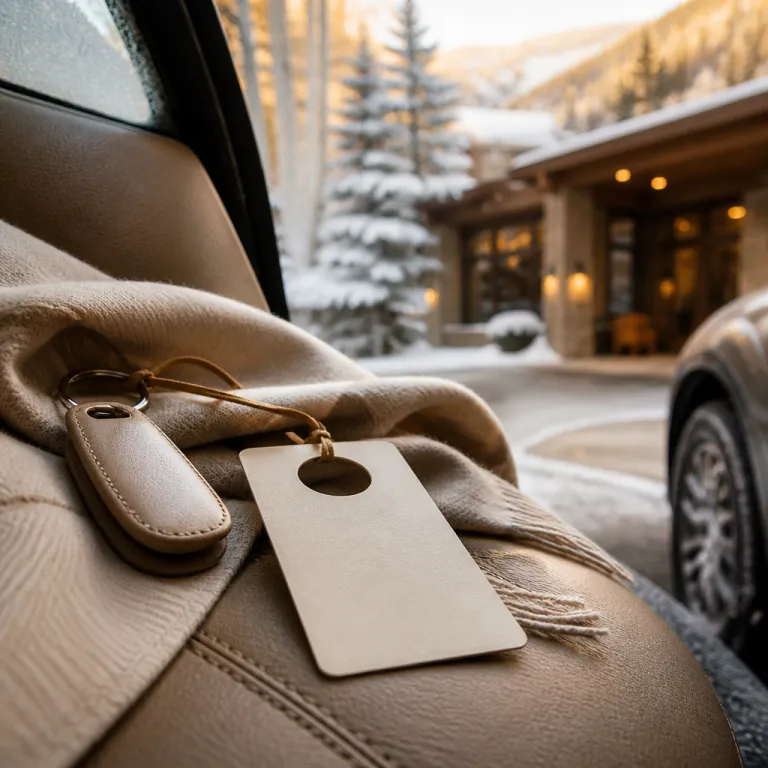
How parking in Aspen Colorado guide principles shape your hotel choice
Parking in Aspen Colorado guide planning starts before you even choose your hotel. When you understand how Aspen parking rules work by day and by night, you can match your stay to the right neighbourhood and avoid stress the moment your vehicle rolls into town. Smart guests use this knowledge to balance walking distance, parking cost, and access to the mountain lifts.
In the compact core of downtown Aspen, most curbside spaces sit inside residential zones where permits are required during peak hours, while nearby hotels often rely on a mix of private parking garage access and shared parking lot agreements. If you plan to park in Aspen for several days, ask each property whether the nightly fee is added to your room bill or paid separately, and whether the parking department regulations limit oversized vehicles or roof boxes. Clarifying these details will help you learn which address offers the best value for your specific season, whether you arrive in deep winter or in the quieter summer months.
Many first time visitors assume that free parking is easy everywhere in Aspen, but the reality is more nuanced and depends heavily on the season and the exact block. The City of Aspen authorities manage a patchwork of metered streets, permit only residential zones, and time limited free parking streets that usually allow a few hours before you must move your car. If you want to park once and forget about your vehicle, focus your hotel search on properties close to an RFTA bus stop, so you can ride to Aspen Mountain, Aspen Highlands, or even Snowmass without touching your keys.
Understanding downtown Aspen parking, meters, and hotel access
In the heart of downtown Aspen, the parking in Aspen Colorado guide essentials revolve around meters, time limits, and proximity to your chosen hotel. Most central streets allow you to park for a few hours at a time, with payment handled through meters or mobile apps that link your license plate to your session. Because enforcement is strict, hotel guests should treat these spaces as short term options rather than all day solutions.
For longer stays, ask your hotel about access to a nearby parking garage or shared parking lot, since many properties in downtown Aspen do not have large on site facilities. Some hotels bundle Aspen parking into a resort fee, while others charge per day and per vehicle, so the total you will pay can vary significantly between addresses that look similar on a map. When you compare room rates, always add the expected parking Aspen cost to get a realistic picture of your stay.
Guests who prefer to leave their vehicle untouched during the day often rely on the RFTA bus network, which connects downtown Aspen with Aspen Mountain, Aspen Highlands, and Snowmass. The main RFTA bus stops sit within a short walk of most central hotels, turning a modest parking garage fee into a full access pass to the entire Aspen Snowmass ski area. To plan your movements, learn the RFTA timetable in advance and note the last evening departure back to the city Aspen core, especially in the quieter summer season when frequencies can change.
For more detail on how trail access influences lodging locations in warmer months, you can read this guide on how Aspen summer hiking trails shape the best places to stay. That perspective pairs well with any parking in Aspen Colorado guide because it helps you weigh walking access against the need to move your vehicle. Combining both angles will give you a sharper sense of which downtown Aspen blocks truly fit your travel style.
Free parking, Brush Creek intercept lot, and RFTA bus strategy
Every serious parking in Aspen Colorado guide must explain how free parking works at the Brush Creek intercept lot, because this single facility can transform your hotel experience. Located along the highway in the Roaring Fork Valley between Aspen and Snowmass, the Brush Creek lot offers free parking for many hours or even all day, depending on the season. From there, frequent RFTA bus and RFTA bus shuttles carry guests directly into downtown Aspen, Aspen Mountain, and Aspen Highlands without the headache of central traffic.
Hotel guests who do not need their vehicle every day often park at Brush Creek for the duration of their stay, then rely on buses and walking once they reach the city Aspen core. This strategy can be especially attractive in winter season when Highlands parking and Aspen parking near the lifts become more expensive and more competitive. In summer, the same free parking approach works well for visitors who plan to hike, dine, and shop in downtown Aspen while keeping their vehicle safely out of the busiest streets.
Brush Creek also serves as a key staging point for trips to Maroon Bells, where private vehicle access is heavily restricted during the day in peak season. Many Maroon Bells visitors park at the intercept lot, then board a dedicated RFTA bus shuttle that climbs into the upper Roaring Fork Valley toward the iconic peaks. If your hotel stay revolves around foliage viewing and scenic drives, consider timing your visit with the help of this resource on Aspen fall foliage peak dates and how to time your hotel stay, then align your parking Aspen plan with those high demand weeks.
Hotel parking near Aspen Mountain, Aspen Highlands, and Snowmass
Choosing a hotel near the ski lifts changes how you read any parking in Aspen Colorado guide, because slope side convenience often comes with specific vehicle rules. Around the base of Aspen Mountain, many properties offer valet style Aspen parking in compact garages, where staff will record your license plate and manage tight spaces on your behalf. This arrangement suits guests who plan to ski all day and rarely move their car between hours on the slopes.
At Aspen Highlands, Highlands parking is more limited, so hotels and lodges nearby often rely on a combination of small surface lots and shared parking lot agreements with neighbouring buildings. During the busiest part of the season, you may be asked to park at a satellite lot in the Roaring Fork Valley and ride an RFTA bus to the base area, especially if your vehicle is oversized. Snowmass, by contrast, offers a broader mix of free parking and paid lots, with some hotels positioned directly above structured parking facilities that allow you to park once and walk to lifts, restaurants, and shops.
Guests who split their time between Aspen Snowmass resorts should ask each hotel how easy it is to move between mountains without driving every day. Some properties near Aspen Mountain emphasise walkability to downtown Aspen dining, while others in Snowmass highlight ski in access and larger parking garage spaces for families with more gear. If your trip includes romantic dinners, spa visits, and scenic drives, you can refine your lodging shortlist using this detailed guide on how to plan a romantic getaway in Aspen, then layer your parking Aspen priorities on top.
Residential zones, license plates, and working with the parking department
Many of the most charming streets in Aspen sit inside residential zones, and any serious parking in Aspen Colorado guide must explain how these areas operate. These blocks often allow short periods of free parking during the day, but require permits or payment for longer stays to protect local residents from overflow. As a hotel guest, you should treat residential zones as temporary options for quick errands rather than as overnight solutions.
The City of Aspen parking department uses license plate recognition technology to monitor compliance, so you cannot simply move your vehicle a few metres and expect to reset the clock. When you check in, ask your hotel whether they can register your license plate with the parking department or provide a temporary permit for nearby streets, especially if their own parking lot or parking garage is full. Some smaller properties in downtown Aspen rely heavily on these arrangements, while larger hotels closer to Aspen Mountain often have more structured facilities on site.
If you ever feel uncertain about a sign or a curb marking, the safest approach is to call the parking department directly during business hours and ask for clarification. Staff can explain how long you may park in a specific spot, whether your vehicle qualifies for certain exemptions, and how seasonal changes affect rules in both winter and summer. Taking a few minutes to learn these details can prevent fines and towing, preserving your budget for scenic drives into the Roaring Fork Valley or special dinners in the heart of downtown Aspen.
Scenic drives, day trips, and how parking shapes your Aspen itinerary
Once you understand the essentials from any parking in Aspen Colorado guide, you can start planning the scenic drives and day trips that make this valley so memorable. Classic routes include the road toward Maroon Bells, the gentle cruise along the Rio Grande corridor, and the winding ascent toward Independence Pass when it is open for the season. Each of these drives has its own parking rules, so your hotel choice should reflect how often you plan to move your vehicle.
The Rio Grande corridor, which follows the Roaring Fork River, offers several trailheads and picnic areas where you can park for a few hours and then walk or cycle along the Rio Grande trail. Some hotels in downtown Aspen sit within easy reach of these access points, allowing you to leave your vehicle in a secure parking garage or hotel lot while you explore on foot. If you prefer to drive out for the day, ask staff to help you learn which free parking areas along the valley are suitable for your vehicle size and how early you should arrive during peak season.
For longer excursions toward Snowmass or deeper into the Roaring Fork Valley, many guests park at intercept lots or trailhead parking lot areas, then continue by RFTA bus or on foot. This pattern keeps traffic lower in sensitive mountain zones and often provides a more relaxed experience than circling for spaces near popular viewpoints. When you return to Aspen in the evening, you will appreciate having a clear plan for where to park, how to pay, and how many hours you can leave your vehicle while you enjoy dinner and a stroll through downtown Aspen.
Key figures that influence parking and travel planning in Aspen
- According to the City of Aspen, the downtown paid parking zone covers roughly 16 blocks, which means most central hotels sit within a five to ten minute walk of metered spaces and residential zones.
- Public data from the Roaring Fork Transportation Authority indicates that RFTA bus services in the Roaring Fork Valley carry several million passengers per year, underscoring how many visitors choose to park once and rely on transit between Aspen, Aspen Highlands, and Snowmass.
- City of Aspen transportation reports show that intercept facilities such as the Brush Creek lot can hold hundreds of vehicles, significantly reducing the number of cars entering downtown Aspen during peak ski season days.
- Maroon Bells access regulations limit private vehicle entry on most summer days, with thousands of visitors instead using shuttle buses each season, so advance planning for parking and bus reservations is essential for hotel guests targeting this scenic drive.
FAQ about parking in Aspen for hotel guests
Where should I park if my downtown Aspen hotel has limited spaces ?
If your downtown Aspen hotel has limited on site spaces, ask about nearby parking garage options or partner lots, then compare the daily rate to your budget. Many guests choose to park at the Brush Creek intercept lot for free parking and ride an RFTA bus into town, especially during busy season. This approach lets you keep your vehicle secure while enjoying central Aspen on foot.
Is free parking available overnight in Aspen ?
Overnight free parking in Aspen is limited, particularly in the core where residential zones and meters dominate. Some outer streets and intercept lots allow longer stays, but rules vary by block and by season, so always read signs carefully. Your hotel front desk can usually point you toward the most reliable options for your specific dates.
Do I need a car if I stay near Aspen Mountain or Aspen Highlands ?
Guests staying near Aspen Mountain or Aspen Highlands can often rely on walking and RFTA bus services for most of their movements. A car is helpful for scenic drives into the Roaring Fork Valley or toward Maroon Bells, but not strictly necessary for skiing and dining. If you do bring a vehicle, confirm parking lot or garage availability and nightly fees before you book.
How does parking work for visiting Maroon Bells from Aspen hotels ?
During the main summer season, private vehicles are usually not allowed to drive all the way to Maroon Bells during most daytime hours. Instead, visitors park at designated lots such as the Aspen Highlands area or intercept facilities, then board a shuttle bus for the final stretch. Hotel staff can help you secure reservations and explain where to park based on your vehicle and your chosen departure time.
Can I use one parking plan for both Aspen and Snowmass during my stay ?
Because Aspen and Snowmass have different layouts and parking rules, you should treat them as related but distinct parts of your itinerary. Many guests park once at a central location, then use RFTA bus routes to move between Aspen Snowmass resorts without re parking their vehicle every day. If you plan to split nights between the two, confirm each hotel’s policies so your overall parking in Aspen Colorado guide strategy remains smooth.